
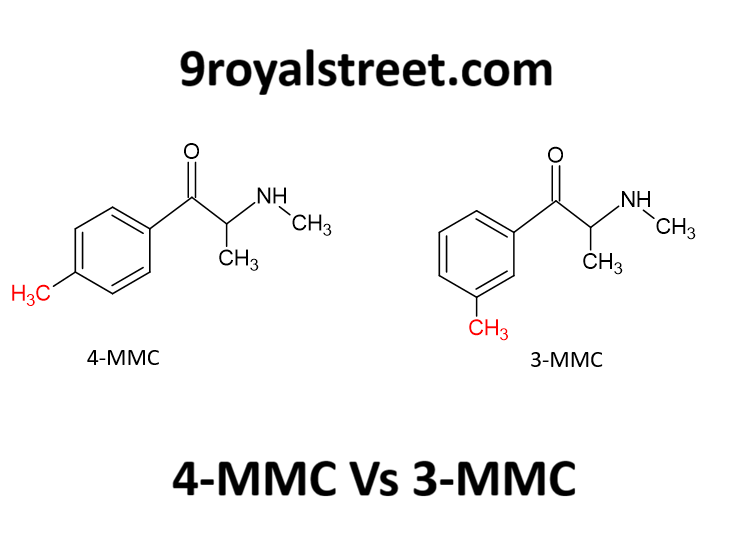
If you are researching synthetic cathinones, you have likely encountered two names that appear frequently: 3-MMC vs 4-MMC. While they sound similar and are chemically related, these substances produce distinct effects and carry different risk profiles.
This article breaks down the key differences between 3-MMC and 4-MMC to help you understand what sets them apart.
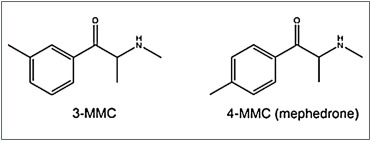
What Are 3-MMC and 4-MMC?
Both 3-MMC (3-methylmethcathinone) and 4-MMC (mephedrone) belong to the cathinone family of synthetic stimulants. Cathinone is the psychoactive compound naturally found in the khat plant, traditionally chewed for its stimulant effects in parts of Eastern and Southern Africa.
4-MMC, often called mephedrone, gained popularity in the late 2000s as a “legal high” before being banned. 3-MMC emerged later as a chemical variant designed to circumvent legal prohibitions, though it is now also a controlled substance in most jurisdictions.
These two substances are close chemical relatives. In fact, drug checking services have sometimes found that substances sold as 3-MMC actually contain 4-MMC, and vice versa. This makes understanding their differences even more important.
Chemical Similarities and Structural Differences
The names 3-MMC and 4-MMC refer to the position of a methyl group on the cathinone molecule. While this sounds like a minor chemical detail, it affects how each compound interacts with the brain.
Both substances work by stimulating the release and blocking the reuptake of key neurotransmitters: dopamine, noradrenaline, and serotonin. However, research indicates that they have slightly different neurochemical profiles.
The key difference lies in their serotonergic activity. 3-MMC has been found to have similar dopaminergic activity to 4-MMC but less serotonergic activity. This distinction is crucial because serotonin is heavily involved in the empathogenic (feeling of connection) and entactogenic (emotion-intensifying) effects of these substances.
Subjective Effects: Stimulant vs. Empathogen
When users compare 3-MMC VS 4-MMC, the most frequently reported difference is the nature of the high.
4-MMC (Mephedrone) Effects
4-MMC is widely described as having stronger empathogenic and euphoric effects. Users often compare it to MDMA, reporting:
-
Intense feelings of connection with others
-
Strong euphoria and heightened emotions
-
Stimulating effects combined with emotional warmth
-
A distinctive odor often described as resembling cat urine
3-MMC Effects
3-MMC is reported to be more stimulant-focused and less emotional:
-
Stronger amphetamine-like stimulant properties
-
Less empathogenic effects compared to 4-MMC
-
Often compared to cocaine in terms of its stimulant profile
-
Some users describe the comedown as slightly less harsh than 4-MMC
-
The characteristic odor is reportedly less intense
Pharmacological studies support these user reports. Research has identified 3-MMC as having “stronger amphetamine-like stimulant properties” compared to 4-MMC. This means 3-MMC is more focused on stimulation and energy, while 4-MMC delivers a more balanced mix of stimulation and emotional connection.
Duration, Craving, and Redosing Risk
One of the most concerning differences between these two substances relates to their duration of action and resulting behavioral patterns.
3-MMC has a shorter duration of action than 4-MMC. Research indicates that this shorter effect window may lead to increased craving and more frequent redosing. This pattern significantly raises the risk of dependence and adverse events.
In the Netherlands, 3-MMC use among nightlife youth increased almost fourfold within two years, becoming the third most commonly used substance in 2022. Despite a legal ban on 3-MMC introduced in 2021, the number of individuals seeking treatment for problematic use rose from 33 in 2021 to 330 in 2023.
The shorter duration of 3-MMC creates a cycle of repeated dosing that can quickly escalate into problematic use patterns.
Health Risks and Safety Considerations
Both substances carry significant health risks, but their profiles differ.
Cardiovascular Effects
Both 3-MMC and 4-MMC increase heart rate and blood pressure. Research on low to moderate doses of 3-MMC has shown dose-dependent increases in these vital signs. The cardiovascular strain is a concern for both substances.
Cognitive Effects
Studies on 3-MMC have demonstrated dose-related enhancement of neurocognitive performance, including processing speed, attention, and memory, without affecting impulse control. However, this apparent cognitive enhancement is deceptive, as the same psychostimulant action can lead to agitation and risky behaviors.
Polydrug Use Dangers
Most serious adverse events and fatalities involve polydrug use. Animal studies have shown that combining 4-MMC with alcohol can produce neurotoxic effects comparable to methamphetamine, whereas 4-MMC alone showed few long-term effects. This highlights the extreme danger of mixing these substances with other drugs.
Dependence Potential
Both substances have a high potential for psychological dependence due to their action on dopamine transporters. The strong craving associated with both, but particularly with the shorter-acting 3-MMC, makes them especially risky.
Market Confusion: What Are You Actually Buying?
A significant practical concern is the confusion between these substances in the illicit market. Drug checking services regularly report that products sold as one substance contain the other.
When considering 3-MMC VS 4-MMC, it is worth noting that you may not always receive what you ordered. This unpredictability adds an extra layer of risk, as users may inadvertently consume a stronger or more empathogenic dose than expected.
Summary Comparison
| Feature | 3-MMC | 4-MMC (Mephedrone) |
|---|---|---|
| Primary Effect | Strong stimulant, amphetamine-like | Stimulant + empathogen, MDMA-like |
| Emotional Impact | Less emotional, more functional | Strong feelings of connection |
| Duration | Shorter | Longer |
| Craving / Redosing | Higher risk due to shorter duration | Moderate |
| Odor | Less intense | Strong, cat urine-like |
| Neurochemical Profile | Similar dopamine, less serotonin | Balanced dopamine and serotonin |
| Comedown | Reportedly milder | Reportedly harsher |
Frequently Asked Questions
Is 3-MMC stronger than 4-MMC?
In terms of stimulant effects, 3-MMC has been described as having stronger amphetamine-like properties. However, 4-MMC is considered more euphoric and empathogenic.
Which is more addictive?
Both have high dependence potential. The shorter duration of 3-MMC may lead to more frequent redosing and potentially faster development of dependence.
Are these substances legal?
No. Both 3-MMC and 4-MMC are controlled substances in most countries and have no approved medical use.
Can you tell them apart by appearance?
Not reliably. Both typically appear as white or off-white powders or crystals. Drug checking is the only way to confirm the substance.
What are the main health risks?
Cardiovascular strain, psychological effects including paranoia and anxiety, dependence, and severe risks when combined with other substances, especially alcohol.