4ng3d

The Role of SR-17018 in Preclinical Studies of Pain and Analgesia

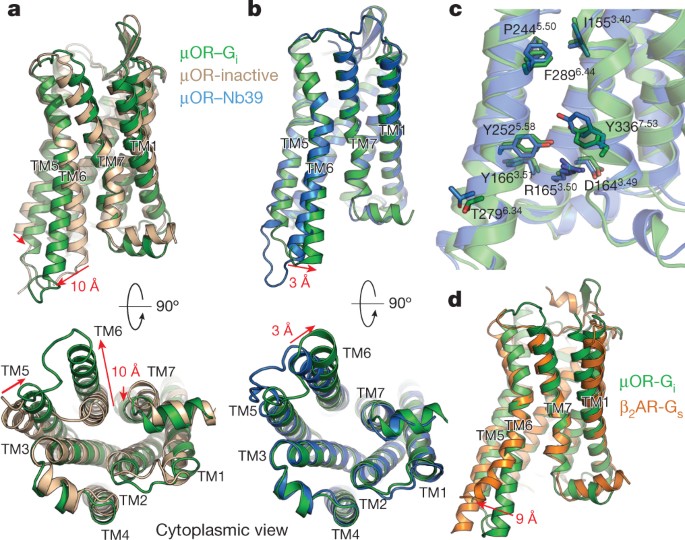
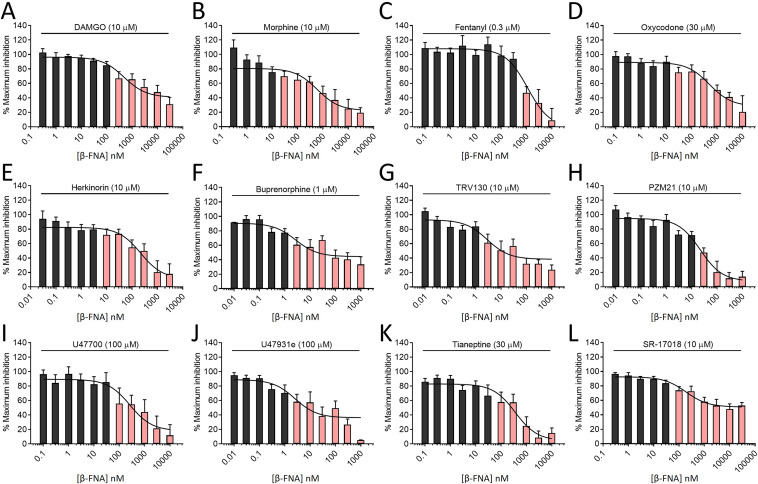
Why SR-17018 is Important in Pain Research The study of opioid receptors remains a critical field for understanding pain regulation and developing safer alternatives to traditional opioids. In recent years, SR-17018 pain research has gained attention due to the compound’s unique receptor profile. Unlike conventional opioids, SR-17018 demonstrates selective signaling at the mu-opioid receptor, a property that […]

The Role of SR-17018 in Preclinical Studies of Pain and Analgesia Read More »
What Researchers Should Know Before Buying SR-17018

Why Researchers Choose to Buy SR-17018 Online As opioid receptor studies advance, more scientists are turning to buy SR-17018 online as part of their lab work. SR-17018 has gained attention for its selective receptor activity and potential to reduce dependency-related outcomes in preclinical models. For researchers, sourcing this compound online is convenient, but it also raises questions

What Researchers Should Know Before Buying SR-17018 Read More »

This Picture Explains Opioid Receptor Research Chemicals

Top Research Chemicals for Studying Opioid Receptors in 2025

Understanding the Need for Opioid Receptor Research Chemicals Opioid receptor studies remain one of the most important areas in modern pharmacology. Researchers are continuously exploring compounds that interact with mu, delta, and kappa receptors to better understand pain regulation, dependence, and potential therapeutic pathways. As of 2025, the demand for opioid receptor research chemicals has grown, with

Top Research Chemicals for Studying Opioid Receptors in 2025 Read More »

Biased Agonism Explanation

Biased Agonism Explained: How Compounds Like SR-17018 Are Changing Opioid Research

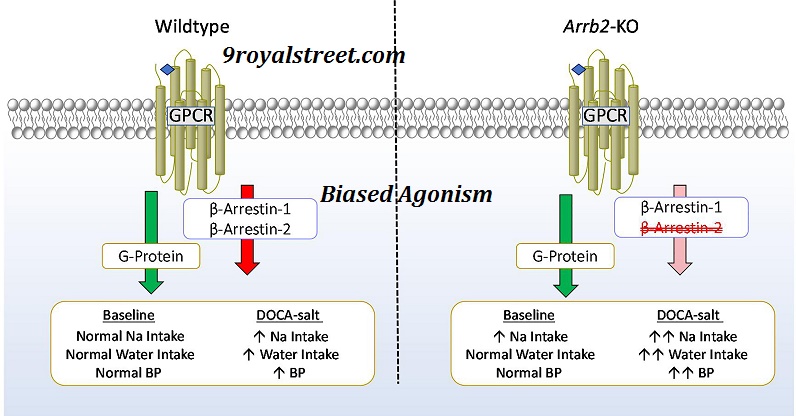
What is Biased Agonism? In pharmacology, biased agonism refers to a ligand’s ability to selectively activate certain signaling pathways over others at the same receptor. Traditional opioid agonists such as morphine activate both G-protein signaling and β-arrestin pathways, leading to strong analgesic effects but also unwanted outcomes like respiratory depression, tolerance, and dependence. Biased agonists are designed to favor one pathway

Biased Agonism Explained: How Compounds Like SR-17018 Are Changing Opioid Research Read More »

SR-17018: Background, Research Applications, and How to Source It Safely

What is SR-17018? Scientific Background & Research Use SR-17018 is a synthetic compound classified as a biased μ-opioid receptor agonist. Unlike traditional opioids, which activate multiple pathways and can lead to serious side effects, SR-17018 has been studied for its selective activation of certain signaling pathways. This property has attracted attention in pharmacology and neuroscience research, particularly

SR-17018: Background, Research Applications, and How to Source It Safely Read More »

Best Alternatives to SR-17018: Top Sigma-1 Agonists & Neuroprotectives

If you’re researching SR-17018, you’re likely interested in sigma-1 receptor agonists—compounds known for their neuroprotective, antidepressant, and cognitive-enhancing effects. Since SR-17018 is still primarily a research chemical, you might need the best alternatives to SR-17018 that offer similar benefits. Below, we compare the top substitutes based on scientific research and user feedback. 1. SA-4503 – The Closest SR-17018 Alternative Why? Like SR-17018, SA-4503 is a selective

Best Alternatives to SR-17018: Top Sigma-1 Agonists & Neuroprotectives Read More »

The Pros and Cons of Research Chemicals

Research chemicals have become a topic of growing interest in recent years, particularly among those exploring alternative substances for scientific, recreational, or therapeutic purposes. These compounds, often synthetic and designed to mimic the effects of well-known substances, are frequently used in laboratory settings to study their effects on the human body and mind. However, their

The Pros and Cons of Research Chemicals Read More »

Understanding the Difference Between 3-MMC, 2-MMC, and 4-MMC

Synthetic cathinones, commonly referred to as “bath salts,” are a class of psychoactive substances that have gained notoriety for their stimulant and empathogenic effects. Among these, 3-MMC (3-Methylmethcathinone), 2-MMC (2-Methylmethcathinone), and 4-MMC (4-Methylmethcathinone, also known as mephedrone) are three closely related compounds that share structural similarities but differ in their pharmacological effects, potency, and legal

Understanding the Difference Between 3-MMC, 2-MMC, and 4-MMC Read More »

Cuánto dura 3MMC?

Cuánto dura 3MMC? 3-MMC es un estimulante sintético que pertenece a la clase de fármacos catinona. Se sabe que tiene un efecto estimulante y empatógeno. La duración de la acción puede variar según varios factores, como la dosis, el metabolismo individual y la vía de administración. Por lo general, cuando se toma por vía oral,

Cuánto dura 3MMC? Read More »

Wie lange hält 3-MMC?

Wie lange hält 3-MMC? 3-MMC ist ein synthetisches Stimulans, das zur Klasse der Cathinone gehört. Es ist bekannt, dass es eine stimulierende und empathogene Wirkung hat. Die Wirkungsdauer kann abhängig von mehreren Faktoren variieren, einschließlich der Dosis, dem individuellen Stoffwechsel und dem Verabreichungsweg. Typischerweise sind die Wirkungen von 3-MMC bei oraler Einnahme innerhalb von 15

Wie lange hält 3-MMC? Read More »