
What is Biased Agonism?
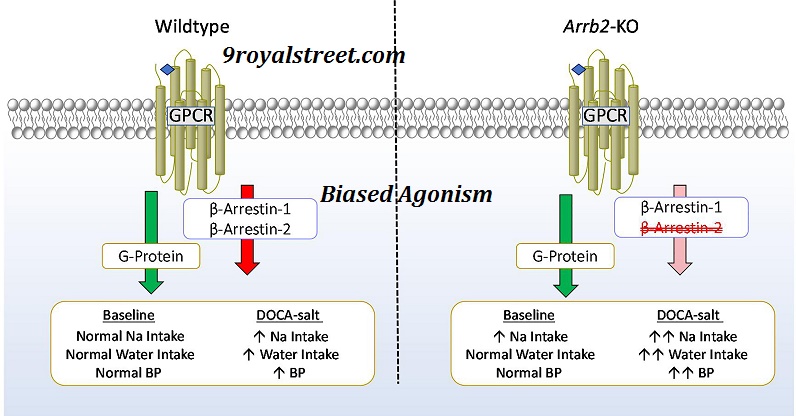
In pharmacology, biased agonism refers to a ligand’s ability to selectively activate certain signaling pathways over others at the same receptor. Traditional opioid agonists such as morphine activate both G-protein signaling and β-arrestin pathways, leading to strong analgesic effects but also unwanted outcomes like respiratory depression, tolerance, and dependence.
Biased agonists are designed to favor one pathway over the other, potentially providing therapeutic benefits with fewer side effects. This concept has become a major focus in modern opioid receptor research.
SR-17018 as a Biased μ-Opioid Receptor Agonist
Among the compounds studied, SR-17018 stands out as a biased μ-opioid receptor agonist. Research indicates that SR-17018 strongly engages G-protein signaling while minimizing β-arrestin recruitment.
This unique property makes SR-17018 valuable for:
- Preclinical pain research – understanding whether biased agonists can provide analgesia with reduced adverse effects.
- Neurobiology studies – examining receptor signaling and plasticity.
- Comparative pharmacology – analyzing differences between classical opioids and next-generation biased ligands.
Other compounds in this category include PZM21 and TRV130 (oliceridine), which have also been explored for their pathway-selective profiles. By comparing these molecules, researchers gain deeper insight into how receptor signaling bias influences both efficacy and safety.
Why Researchers are Interested in SR-17018
For labs investigating opioid receptors, SR-17018 provides a reliable model compound to study:
- Receptor-ligand interactions
- Downstream cellular responses
- The balance between analgesic efficacy and side effect potential
Importantly, SR-17018 is not approved for medical use. It is distributed strictly for research purposes only. This distinction ensures the compound remains a scientific tool rather than a therapeutic product.
Sourcing High-Quality SR-17018 for Research
When selecting a supplier for specialized compounds like SR-17018, researchers typically prioritize:
- Third-party Certificates of Analysis (CoA) to confirm identity and purity.
- Batch-level testing to ensure consistency.
- Proper storage and shipping conditions to preserve chemical stability.
Vendors such as 9RoyalStreet support research by providing lab-tested SR-17018 with full documentation. For laboratories conducting experiments in receptor pharmacology, sourcing from a trusted supplier ensures reliability and reproducibility of results.
Final Thoughts
Biased agonism represents a promising frontier in pharmacology, offering new ways to study receptor signaling and drug design. SR-17018 is one of the leading compounds in this field, giving researchers a valuable tool to explore μ-opioid receptor selectivity.
By combining rigorous science with reliable sourcing practices, labs can continue advancing knowledge of how biased agonists may shape the future of opioid research.